
Transparency by Amazon has become one of the most powerful tools available to brand owners who sell through large online marketplaces. It continues to reshape how companies think about authenticity, serialization, and supply chain control. Counterfeit goods have increased steadily over the past decade, forcing both marketplaces and manufacturers to rethink how products move from factory to customer.
While traditional barcodes identify a product type, Transparency by Amazon assigns a unique code to every single unit, creating a much tighter link between production, fulfillment, and consumer verification.
This move toward item-level traceability does more than deter bad actors. It also gives legitimate sellers clearer visibility into how their goods travel across complex distribution networks.
Why Amazon Created This Program
Amazon introduced the program in 2017 after facing growing complaints from brands and shoppers about counterfeit products circulating through third-party sellers. The company had to police hundreds of millions of SKUs while maintaining the open marketplace model that fuels its growth.
Instead of depending solely on manual enforcement or post-sale investigations, Amazon embedded authenticity directly into each product unit.
Every enrolled brand receives serialized Transparency codes that must appear on individual items before entering Amazon fulfillment centers. This system places accountability within the supply chain and makes verification automatic rather than reactive.
How Unit-Level Serialization Works
After enrollment, Amazon generates a secure 26-digit Transparency code for each product unit. These codes contain encrypted data such as manufacturing date, location, and other identifiers that remain hidden from consumers but are readable by Amazon’s systems. Manufacturers or packaging partners apply the codes directly onto product labels or boxes during production.
When shipments arrive at Amazon warehouses, scanners confirm the presence and validity of each code before allowing items to proceed. Shipments lacking valid codes can be stopped and reviewed, which will protect both the marketplace and the brand from counterfeit infiltration.
What Customers Experience Through the App
Shoppers participate in the system through the Transparency mobile app or the Amazon Shopping app, available for both iOS and Android devices. After receiving a product, customers can scan the visible Transparency code to verify authenticity regardless of where the item was purchased.
The app displays a confirmation message along with basic product details, giving buyers greater confidence in their purchase. Codes that fail verification or appear suspicious can be reported immediately. This will create a feedback loop that alerts both brands and Amazon to potential issues.
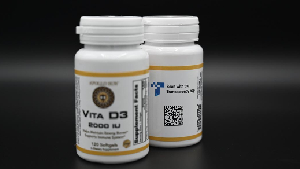
Where To Place Transparency Labels
Label placement has a direct impact on how easily codes can be scanned throughout the supply chain. Amazon recommends placing the Transparency code on the same side of the packaging as the GTIN/UPC barcode and in close proximity to support efficient warehouse scanning. Clear visibility reduces scanning errors, accelerates fulfillment, and limits friction from factory to doorstep.
Learn more about Transparency Code placement guidelines from Amazon at: https://sellercentral.amazon.com/help/hub/reference/external/G202008510
Who Should Consider Enrollment
Brand owners selling branded products on Amazon gain significant advantages from this program, especially in categories with high counterfeiting risk, such as electronics, cosmetics, supplements, or fashion accessories.
Smaller businesses with limited enforcement budgets often discover that unit-level serialization delivers stronger protection than legal action alone. Larger enterprises value the additional visibility that helps track product movement and uncover weak points within distribution networks.
Sellers working with third-party distributors or overseas manufacturers often see the greatest benefit, since serialized codes introduce accountability at each transfer point.
Step-By-Step Enrollment Overview
To enroll, a company must first verify brand ownership through Amazon Brand Registry, which confirms trademark rights and legal standing. The brand then supplies a valid GTIN, such as a UPC or EAN, for each product, guaranteeing alignment with global identification standards.
Once approved, Amazon issues serialized codes that can be printed directly onto labels or integrated into packaging artwork. Manufacturers or labeling partners apply these codes during production, and brands maintain records of which codes correspond to which production batches.
From that point forward, Amazon monitors code usage automatically as items flow into its fulfillment network.
Design-In Versus Preprinted Labels
Brands can choose between preprinted Transparency labels or design-in packaging that incorporates codes directly into the product’s primary artwork. Preprinted labels offer flexibility to manage existing inventory, allowing companies to add codes without redesigning packaging.
Design-in packaging, on the other hand, creates a cleaner, more professional look by embedding Transparency elements seamlessly into the product label or box. We work closely with manufacturers who prefer design-in product packaging for Transparency by Amazon because it reduces extra labeling steps while maintaining compliance.
How Transparency Integrates With Barcodes And RFID
Transparency does not replace traditional barcodes; it complements them by adding a secure layer of unit-level identification. UPC or EAN barcodes continue to identify the product type for inventory and point-of-sale systems, while Transparency codes authenticate each individual item.
For brands that already use RFID or serialized hang-tags, this program fits neatly into broader traceability strategies that connect production, logistics, and retail visibility. Aligning barcode data with serialized codes also simplifies audits and reduces mismatches that could trigger fulfillment delays.
Impact On Counterfeiting And Seller Accountability
Requiring a unique code for every unit makes it significantly harder for counterfeiters to blend fake goods into legitimate shipments. Generic barcodes or copied labels no longer suffice, since each Transparency code must exist within Amazon’s database before a product can enter a warehouse.
Third-party sellers attempting to ship items without valid codes risk blocked shipments, withheld funds, or removal of selling privileges. Strong enforcement protects brands and strengthens overall marketplace trust.
Operational Considerations For Manufacturers
Implementing Transparency by Amazon requires coordination among brand owners, packaging suppliers, and contract manufacturers. Production lines must integrate code applications without disrupting output or increasing error rates.
Factory-level quality checks become critical, since missing or damaged codes can delay shipments later in the process. Many companies adopt digital verification tools that confirm code readability immediately after application, reducing costly rework or rejected deliveries.
Data Visibility And Supply Chain Insights
Beyond combating counterfeiting, Transparency generates data that brands can analyze to improve operations. Monitoring how codes move through fulfillment centers reveals trends such as bottlenecks, regional demand shifts, or distributor performance gaps.
Over time, these insights help refine production planning, reduce inventory waste, and improve delivery reliability. Authentication evolves into a strategic tool that informs broader business decisions.
Common Myths And Misconceptions
Some sellers assume that Transparency is necessary only for high-risk categories, yet counterfeiters increasingly target everyday consumer goods. Others believe traditional barcodes are sufficient, overlooking the difference between identifying a product type and authenticating a single unit.
Concerns about enrollment complexity often fade once brands establish clear workflows and partner with experienced labeling specialists.
How This Program Fits Into A Holistic Protection Strategy
Transparency by Amazon delivers the strongest results when integrated into a broader brand protection framework that includes trademark registration, active monitoring of unauthorized sellers, and structured supply chain oversight.
Serialized unit-level codes discourage counterfeit activity at scale by preventing unverified goods from entering the marketplace. Legal enforcement then targets repeat offenders and deters future violations.
Clear packaging standards, tamper-resistant labeling materials, and routine factory-level quality inspections further reinforce these protections. Internal audits and distributor accountability programs add another layer of visibility across multiple sales channels.
When combined, these measures form a coordinated and layered defense system that protects brand reputation, preserves revenue, strengthens compliance efforts, and builds lasting customer trust across global markets.
Strengthen Your Brand Protection with FineLine
Partner with us at FineLine to build a smarter, faster, and more secure approach to Transparency and product serialization. We combine industry-leading turnaround times with responsive customer support and deep RFID knowledge so your labels, barcode data, and hang-tags perform correctly at every stage of the supply chain.
From design-in packaging to high-volume production and quality control, our global network keeps your products moving without delays or errors. When authenticity, accuracy, and speed matter, we help your brand stay protected, compliant, and confidently in control.
Transparency by Amazon FAQs
Do sellers need Transparency by Amazon to sell on Amazon?
Enrollment in Transparency is not mandatory for every seller on the marketplace. Many products can still be listed and sold without participating in the program. However, brand owners who want stronger safeguards against counterfeit activity often view it as a valuable layer of protection.
Since the system is built on verified trademark ownership and controlled serialization, only registered brand owners can enroll. Companies that join frequently report fewer issues with unauthorized listings, greater control over their catalog, and improved buyer confidence.
Participation can also strengthen brand credibility, particularly in competitive categories where authenticity concerns are common.
Who is eligible to enroll in Transparency?
Eligibility begins with enrollment in Amazon Brand Registry, which confirms that a company holds valid trademark rights for the brand it intends to protect. In addition to trademark verification, each product must carry a valid Global Trade Item Number, such as a UPC or EAN, that aligns with global identification standards.
Brands must also have the operational capability to apply unique Transparency codes to every unit they produce, whether during manufacturing or packaging. After these conditions are satisfied, Amazon reviews the application and, if approved, grants access to the program so serialized codes can be issued and integrated into production workflows.
How do brands enroll in the Transparency program?
Enrollment begins with brand verification through Amazon Brand Registry, followed by an application to join Transparency. After approval, Amazon issues serialized 26-digit codes that contain encrypted manufacturing and product details. Brands or their packaging partners then print and apply these codes onto labels or directly into product packaging before shipment to Amazon or other retailers.
Where should Transparency labels be placed on products?
Amazon recommends placing the Transparency code on the same side of the packaging as the GTIN/UPC barcode and in close proximity to support efficient warehouse scanning. Clear visibility reduces scanning errors, accelerates fulfillment, and limits friction from factory to doorstep.
What happens if a shipment lacks valid Transparency codes?
If products arrive at an Amazon fulfillment center without valid Transparency codes, Amazon can pause or reject the shipment and begin an investigation. Sellers found violating anti-counterfeiting policies risk losing selling privileges, having funds withheld, or having inventory destroyed. This enforcement mechanism discourages counterfeit activity while protecting legitimate brands.