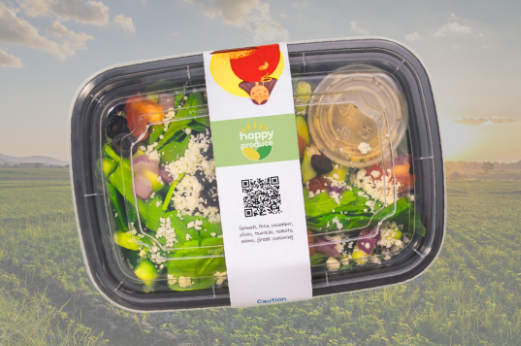
As Project Sunrise 2027 continues to gain momentum, many conversations around 2D barcodes focus on one simple idea: replacing the traditional UPC barcode. But for food, grocery, and beauty brands, the real opportunity goes far beyond simply changing the barcode format.
2D barcodes such as QR Codes and GS1 DataMatrix can carry significantly more information than traditional 1D barcodes. This allows brands and retailers to move beyond simple product identification and begin using extended attributes directly at the point of sale and throughout the supply chain.
For industries where freshness, traceability, safety, and compliance matter, this shift can create meaningful operational advantages.
Moving Beyond the GTIN
Traditional UPC barcodes typically carry a GTIN-12, which identifies the product. Additional product attributes such as lot numbers, expiration dates, or serial numbers generally reside in backend systems rather than the barcode itself.
2D barcodes can encode additional product data directly within the symbol using GS1 Application Identifiers and/or provide access to additional digital information through GS1 Digital Link. Examples include:
- Expiration dates
- Best-by dates
- Batch or lot numbers
- Manufacturing dates
- Weight or quantity information
- Serial numbers
This creates new possibilities for inventory management, recalls, waste reduction, and consumer engagement, but the benefits depend on the quality, structure, and accuracy of the data encoded within it.
That is where GS1 standards and Application Identifiers become important.
Understanding Common GS1 Application Identifiers
One key part of the 2D barcode structure is the use of GS1 Application Identifiers, commonly called AIs. Application Identifiers are numeric prefixes used in GS1 barcodes to define what each piece of encoded data means. For example, an AI may indicate that the following data is a GTIN, expiration date, batch or lot number, serial number, or net weight.
Common GS1 Application Identifiers may include:
- AI (01): GTIN to identify the product
- AI (10): Batch/Lot Number for traceability
- AI (11): Production Date in YYMMDD format
- AI (13): Pack Date in YYMMDD format
- AI (17): Expiration Date in YYMMDD format
- AI (21): Serial Number for unique item identification
- AI (3103): Net Weight with three decimal places
How to Choose the Right GS1 Application Identifiers
Application Identifiers help systems interpret each data element correctly, so the barcode can support use cases such as point-of-sale scanning, product traceability, expiration management, inventory workflows, and consumer engagement.
The right Application Identifiers depend on the product category, packaging format, retailer requirements, and intended use case.
Because GS1 has defined more than 100 Application Identifiers, brands should determine what data belongs in their barcode. For the full list of GS1 Application Identifiers and technical definitions, refer to the official GS1 General Specifications here.
Benefits for Food and Grocery Retailers
One of the biggest advantages for grocery and food retailers is the ability to manage products more dynamically using expiration and lot-level data.
For example, products approaching expiration could eventually support:
- Automated markdown workflows
- Improved inventory rotation
- Better visibility into aging stock
- Reduced food waste
Lot and batch-level traceability can also improve recall management. Instead of recalling all units of a product, retailers may eventually be able to isolate specific affected lots more accurately.
Future POS implementations may support real-time use of expiration date information encoded within 2D barcodes, helping retailers manage age-sensitive products more effectively.
Benefits for Beauty and Personal Care Brands
Beauty and personal care products can also benefit from improved traceability and consumer transparency.
Batch and lot information can help support:
- Product authenticity verification
- Recall management
- Manufacturing traceability
- Regulatory compliance
At the same time, QR Codes can connect consumers to additional digital experiences such as:
- Ingredient information
- Tutorials and usage instructions
- Sustainability details
- Loyalty programs
- Product authentication pages
This allows brands to use packaging space more efficiently while still delivering richer product information.
Preparing for the Project Sunrise
Project Sunrise does not necessarily mean removing the traditional UPC overnight. Many brands are starting by adding 2D barcodes alongside existing 1D barcodes as retailers continue upgrading their POS systems.
The most important first step is understanding:
- Which barcode symbology is appropriate
- What data should be encoded
- How the barcode will be used operationally
- Whether current packaging and print processes are ready
FineLine Helps Food, Grocery, and Beauty Brands Unlock Smarter Product Data
Project Sunrise is not just about changing the barcode. It is about unlocking more intelligent data throughout the supply chain.
For food, grocery, beauty, and personal care brands, 2D barcodes can do more than support checkout. They can connect shoppers to ingredient details, usage instructions, product stories, sustainability information, traceability records, promotions, and other digital experiences that add value beyond the shelf.
FineLine helps bring these strategies to life through labels and packaging solutions that support accurate product identification, expert encoding and data management, and reliable performance across retail, supply chain, and consumer touchpoints.
Contact FineLine to explore solutions for Sunrise 2027 here.
2D Barcode Frequently Asked Questions:
Do 2D barcodes replace traditional UPC barcodes?
Not immediately. Many brands are currently using 2D barcodes alongside existing UPC barcodes while retailers continue upgrading point-of-sale systems to support Sunrise 2027.
What types of data can food and beauty brands include in a 2D barcode?
2D barcodes can support additional data such as:
- GTINs
- Expiration dates
- Best-by dates
- Batch or lot numbers
- Manufacturing dates
- Serial numbers
- URLs and digital content
What are GS1 Application Identifiers?
GS1 Application Identifiers (AIs) are standardized prefixes used to define what data is being encoded in a barcode. For example:
- (01) = GTIN
- (17) = Expiration Date
- (10) = Batch/Lot Number
- (21) = Serial Number
These standards help ensure barcode data can be interpreted consistently across systems.
Can 2D barcodes help reduce food waste?
Potentially, yes. By enabling expiration-date visibility at the item level, retailers may eventually support smarter inventory rotation, automated markdowns, and improved management of aging inventory.
Which 2D barcode types are most commonly used for Sunrise 2027?
The most common Sunrise-aligned options currently include:
- QR Code with GS1 Digital Link
- DataMatrix with GS1 Digital Link
- DataMatrix with GS1 Element String Syntax
The right option depends on the product type, packaging size, scanning environment, and operational goals.
Do consumers need a special app to scan these barcodes?
QR Codes can typically be scanned directly using a smartphone camera. GS1 DataMatrix symbols may require a specialized scanning application, depending on the device and operating system.
Why work with FineLine for Sunrise 2027 readiness?
FineLine supports both barcode and RFID programs, helping brands align printed data, encoded data, and item-level identification. This gives food, grocery, and beauty brands a more coordinated approach to Sunrise 2027 readiness.