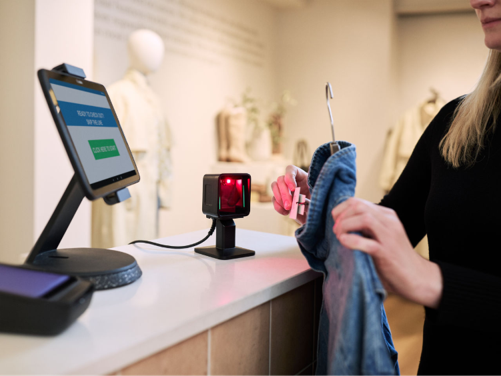
The transition to 2D barcodes under GS1 Sunrise 2027 is often described as a barcode upgrade. In reality, it is much bigger than that.
As retailers, brands, and solution providers prepare for Sunrise 2027, the conversation is quickly expanding beyond barcode symbols themselves and into the data ecosystem behind them. A product may soon carry a 2D barcode for point-of-sale scanning, serialized RFID for inventory visibility, digital product information for consumers, and additional data for traceability, authentication, or sustainability initiatives.
The challenge is not simply generating a QR code or printing a GS1 DataMatrix. The challenge is making sure all connected systems are aligned and speaking the same language.
Sunrise 2027 Is a Data Alignment Initiative
For decades, traditional UPC barcodes primarily carried a GTIN used for identification at checkout. Sunrise 2027 introduces the ability to carry significantly more information through 2D barcodes, including expiration dates, lot numbers, serial numbers, and links to digital experiences.
That additional functionality creates new operational complexity.
The same product information may now need to remain synchronized across:
- POS systems
- RFID systems
- Packaging artwork
- ERP and product master data
- Ecommerce platforms
- Consumer-facing digital experiences
- Warehouse and fulfillment systems
If those systems are not aligned, issues can quickly emerge. A barcode may scan correctly but point to outdated product content. An RFID tag may contain serialized data that does not match the printed barcode. A retailer’s POS system may recognize only part of the encoded data.
A 2D barcode is only as effective as the data ecosystem behind it.
The Growing Relationship Between 2D Barcodes and RFID
Sunrise 2027 and RFID are often discussed separately, but in many environments, they are becoming increasingly connected.
RFID enables non-line-of-sight inventory visibility and operational automation throughout the supply chain. At the same time, 2D barcodes support POS modernization and richer consumer engagement. Both technologies frequently rely on the same foundational product identifiers.
That makes data alignment critical.
For example, many brands are beginning to align:
- RFID encoded serial numbers with printed serial numbers
- GTIN structures across barcode and RFID systems
- product master data between packaging and supply chain platforms
- authentication and traceability workflows across multiple technologies
When these systems are designed together, brands gain stronger visibility and consistency across retail operations, fulfillment, and consumer interaction.
POS Readiness Goes Beyond Scanner Hardware
One of the biggest misconceptions surrounding Sunrise 2027 is that implementation simply requires upgrading barcode scanners.
In reality, POS readiness involves much more than hardware. Retailers and brands also need to consider:
- scanner firmware
- POS software updates
- parsing logic
- GS1 Application Identifier handling
- prioritization rules when both UPC and 2D barcodes are present
- expiration date and lot code interpretation
- integration with downstream systems
Retail adoption timelines also vary significantly. Some retailers are actively testing Sunrise-compatible workflows today, while others are still evaluating infrastructure requirements.
Because of this, many brands will need hybrid approaches during the transition period, supporting both traditional UPCs and 2D barcodes simultaneously.
Common Data Challenges Companies Are Facing
As Sunrise adoption accelerates, many organizations are discovering that their biggest obstacles are operational rather than technical. Common challenges include:
- generating QR codes without validating POS compatibility
- inconsistent GTIN formatting between systems
- disconnected ownership between packaging, IT, and ecommerce teams
- encoding RFID data differently from printed barcode data
- outdated or broken redirect URLs
- insufficient barcode testing and validation
- lack of serialization strategy
These issues can create confusion internally and lead to inconsistent performance in stores, warehouses, or consumer-facing experiences.
Preparing for Sunrise 2027
Companies do not need to overhaul everything overnight, but they should begin building a strong data foundation now.
Key preparation steps include:
- auditing current product identifiers and GTIN usage
- reviewing serialization requirements and strategies
- validating barcode syntax and symbology choices
- aligning packaging, ecommerce, supply chain, and IT teams
- testing 2D barcodes in real POS environments
- evaluating how RFID and 2D barcode data interact
- working with suppliers that understand both labeling and operational requirements
The Foundation for Sunrise 2027 Success
Sunrise 2027 is not simply a barcode migration. It is a connected data initiative that touches packaging, POS, RFID, ecommerce, and supply chain operations simultaneously.
Brands that focus only on the barcode artwork risk overlooking the operational foundation needed to support long-term success. By aligning data systems early, companies can position themselves for smoother implementation, stronger interoperability, and better customer experiences as the industry transitions toward the next generation of product identification.
FineLine combines labeling expertise, data management capabilities and RFID experience to help brands implement scalable 2D barcode labeling solutions that support both POS scanning and consumer-facing applications. Contact FineLine to start preparing for Sunrise 2027.
Frequently Asked Questions About Sunrise 2027 Data Alignment
What is Sunrise 2027?
GS1 Sunrise 2027 is a global initiative focused on enabling 2D barcodes, such as QR codes and DataMatrix symbols, to be scanned at retail point-of-sale systems alongside traditional UPC barcodes. The initiative supports richer product data, traceability, and improved consumer engagement.
Does Sunrise 2027 replace RFID?
No. RFID and 2D barcodes are complementary technologies. RFID enables automated, non-line-of-sight inventory visibility, while 2D barcodes support POS scanning and consumer-facing experiences. Many brands are implementing both technologies together.
Why is data alignment important for Sunrise 2027?
2D barcodes, RFID systems, POS platforms, ecommerce systems, and product master data all rely on consistent identifiers and formatting. Misaligned data can lead to scanning failures, incorrect product information, and operational inefficiencies.
Can companies continue using UPC barcodes during the transition?
Yes. Many retailers and brands are expected to support both traditional UPC barcodes and 2D barcodes during the Sunrise transition period. Hybrid implementations are common as POS systems continue evolving.
What types of data can 2D barcodes carry?
Depending on the use case, 2D barcodes can support:
- GTINs
- expiration or best-by dates
- lot or batch numbers
- serial numbers
- variable weight information
- manufacturing or production dates
- traceability information
- product authentication data
- recall-related information
- healthcare identifiers
- sustainability or recycling information
- coupons and promotional data
- web links and consumer-facing digital content
Does every retailer support Sunrise-ready 2D barcodes today?
No. Retailer adoption timelines vary. Some retailers are actively piloting Sunrise initiatives, while others are still evaluating POS upgrades and operational readiness.
What is one of the biggest mistakes companies make when preparing for Sunrise?
Many organizations focus only on generating the barcode artwork without addressing the underlying data infrastructure. Successful Sunrise implementations require alignment across packaging, IT, supply chain, ecommerce, and POS systems.
How can companies start preparing now?
Companies can begin by:
- auditing GTIN and product data accuracy
- reviewing serialization strategies
- testing barcode readability and POS compatibility
- aligning internal teams
- evaluating how RFID and 2D barcode data interact